I grew up next door in Boulder and have ridden bicycles and motorcycles on Longmont's roads for most of my life. US 287, the Diagonal, and Highway 66 carry the worst of the crashes here, and I know them from the saddle, not just from a crash report.
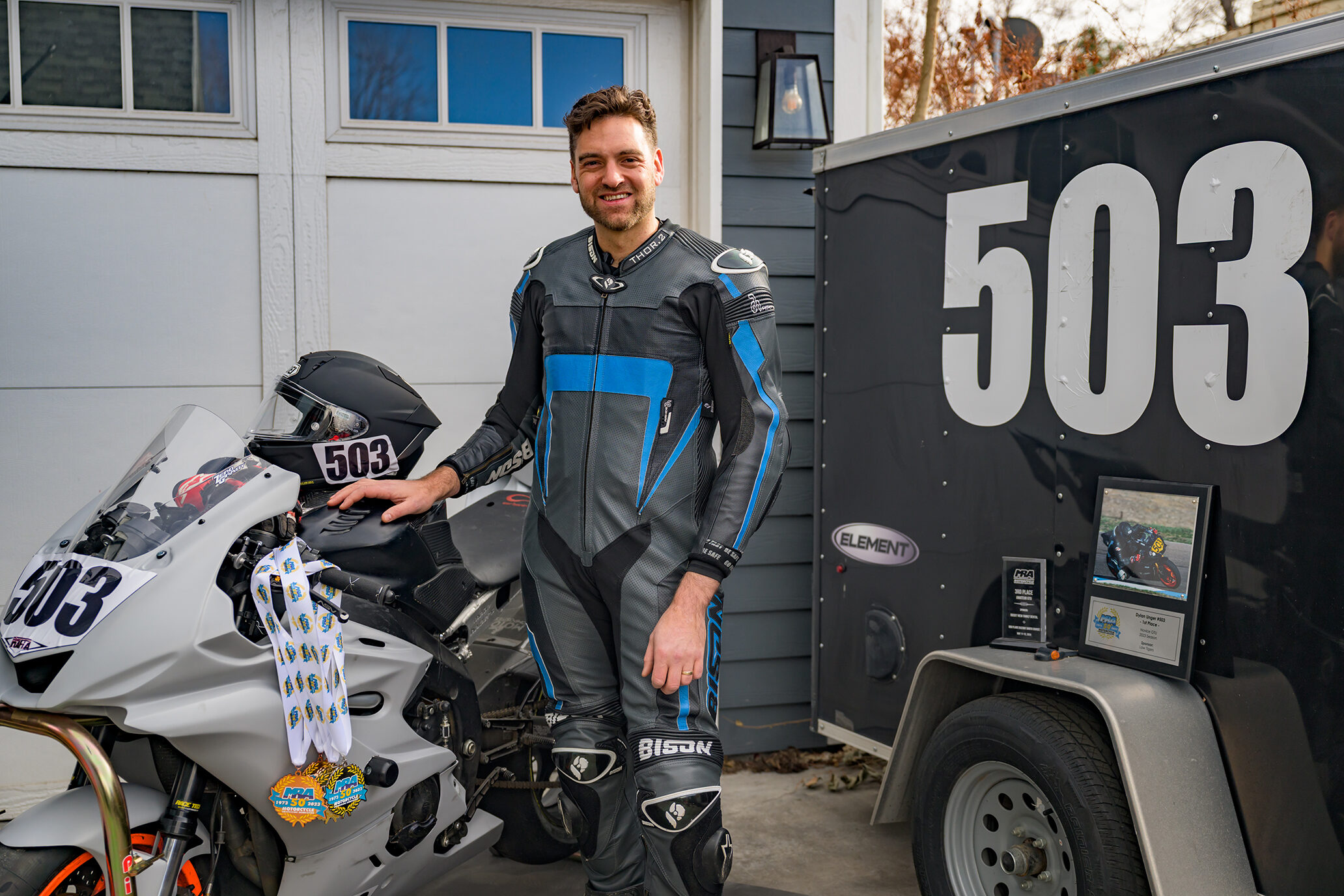
Longmont was never a drive-through town for me. I grew up in Boulder, one of my best friends growing up lived out here, and he still does, so I've spent a lot of my life in Longmont. I've ridden bicycles and motorcycles on these roads for years, from the Diagonal to Highway 66 and out toward Lyons, I've raced bikes out here, and Longmont Tire Co. is one of the riding-community organizations I support.
That's why Longmont crashes feel personal to me. US 287 through the middle of town accounts for an outsized share of Boulder County's fatal crashes, and the Diagonal has been one of the highest-crash corridors in the county. If you were hurt here, you work directly with me, an attorney who has ridden these roads and filed more than 300 lawsuits, not a case manager reading your file for the first time.
Longmont's serious crashes concentrate on a handful of state highways that double as city streets. The city's own crash reports rank CO 119, CO 66, and US 287 as its most dangerous arterials, and every one of its most dangerous intersections sits on a state highway. If you were hurt on any of these, that history matters to your case.
US 287 runs straight through town as Main Street, and Boulder County's corridor study found it averages about 830 crashes a year, more than 30 per mile. From 2011 to 2020, 34 people died and 311 were severely injured on the corridor, and in 2021 and 2022 it accounted for 29% of all fatal crashes in Boulder County.
The Diagonal between Boulder and Longmont has been the highest-crash corridor in Boulder County for drivers and the second highest for cyclists, with more than 900 vehicle crashes and four deaths from 2015 to 2019. Inside town it becomes Ken Pratt Boulevard, and its intersection with Main Street logged more crashes than any other in a five-year city study.
The city's crash report named the meeting of CO 66 and US 287 its single most dangerous intersection. Two state highways cross here with heavy turning traffic, commuters headed for I-25, and riders heading west toward Lyons.
Hover Street carries north-south traffic along the west side of town, and its intersections at CO 119 and at Nelson Road rank just behind Main and 119 on the city's composite crash index. Hover and Nelson alone carries about 54,200 vehicles a day, with retail access and constant turning movements.
East of town, Highway 66 narrows to a two-lane rural highway carrying commuters and semi trucks toward I-25 across the Weld County line. Passing on a two-lane road with heavy truck traffic is where head-on crashes happen, and this stretch has seen fatal head-on collisions with semis.
Longmont is the jumping-off point for some of the most popular motorcycle and cycling routes on the Front Range, west on Highway 66 and US 36 to Lyons and the canyons beyond. Riders, cyclists, and tourist traffic share narrow two-lane roads, and the classic crash is a driver who never saw the rider coming.
Venyx Injury Law represents injured riders, drivers, cyclists, and pedestrians throughout Longmont, Boulder County, and the Weld County side of town.
I've ridden motorcycles on Highway 66, US 36, and the roads toward Lyons for years, and I race with the MRA. I know how to fight the biker bias that follows every motorcycle crash.
Learn moreMost serious crashes in Longmont happen on state highways that double as city streets. We build each case around the evidence from that intersection, from witnesses to storefront and gas station video.
Learn moreSemi traffic between Longmont and I-25 shares two-lane highways with commuters. Truck cases involve federal safety rules and more than one insurer. We know how to build that case.
Learn moreLongmont is a cycling town, and riders share highways with fast traffic. I grew up cycling and racing bikes in Boulder County, including races here in Longmont, and I commute by bike today, so I know how drivers and insurers blame cyclists.
Learn moreDowntown Longmont puts foot traffic right next to a state highway. Pedestrians hit by turning drivers suffer some of the most serious injuries we see.
Learn moreColorado's wrongful death statute gives surviving family members specific rights on a strict timeline. If you've lost someone in a Longmont crash, talk to an attorney as soon as possible.
Learn moreNearly every injury firm charges a percentage of your recovery. The difference is what percentage they charge. We are transparent with our fees. Most firms tend to hide theirs.
Lower overhead means a lower fee, not a lower standard. The firm never makes more than the client.
*Venyx fee structure: 29% standard, 33% if a lawsuit is filed. Client is responsible for case costs. Calculator figures are estimates only; actual fees are discussed at consultation, and your final recovery is also reduced by case costs, medical liens and other legal obligations. Every case is different.
Colorado generally gives you three years from the date of a car, truck, or motorcycle crash to file a lawsuit, and two years for most other injury claims, like dog bites or falls. If a government entity is involved, such as a city vehicle or a defect on a state highway, you may need to send written notice within 182 days. Missing that notice deadline can bar your claim entirely, so don't wait to talk to an attorney.
Longmont sits in two counties, and a lawsuit is usually filed in the county where the crash happened or where the at-fault driver lives. For most of Longmont that means Boulder County District Court at the Justice Center in Boulder, since the Longmont courthouse mostly handles county court matters. Crashes on the east side of town can fall in Weld County, where cases go to Weld County District Court in Greeley, and I've already tried a case to verdict and won there.
Colorado follows a modified comparative negligence rule. As long as you were less than 50% at fault, you can still recover, but your compensation is reduced by your share of fault. If you're found 50% or more at fault, you recover nothing. Insurance companies routinely try to inflate your fault percentage. We fight to keep that number as low as the facts support.
Yes. Colorado requires drivers to give cyclists at least three feet when passing, and a driver who breaks a traffic safety law can be found negligent on that basis. Your own uninsured and underinsured motorist coverage can also follow you when you're on a bike, which matters when the driver has little or no insurance. I wrote a full breakdown of Colorado's 3-foot passing law.
Colorado does not require helmet use for riders 18 and older. Insurance companies will try to use your helmet status to argue you assumed the risk or contributed to your injuries. The absence of a helmet doesn't determine fault for the crash. It may affect damages for specific head injuries, but it doesn't end your case. More on Colorado's helmet law and your claim.
No. We handle cases throughout Longmont and Boulder County. Initial consultations can be done by phone or video, and we can come to you if you're not able to travel due to your injuries. There's no fee for the consultation and no obligation.
Free consultation. Aggressive representation. No fees unless we win. We handle cases throughout Longmont, Boulder County, and the Weld County side of town.
Estimates only. Your final recovery is reduced by case costs, medical liens, and other legal obligations. Every case is different. Fees and costs are discussed at consultation.
Get a Free Consultation


