Aurora is Colorado's third-largest city, and when it comes to crash data it stands out for all the wrong reasons. Nearly half of the state's 50 most dangerous intersections sit in Aurora, on I-225, East Colfax, Parker Road, and Chambers. If you were hurt in a crash here, the size of the city works against you.
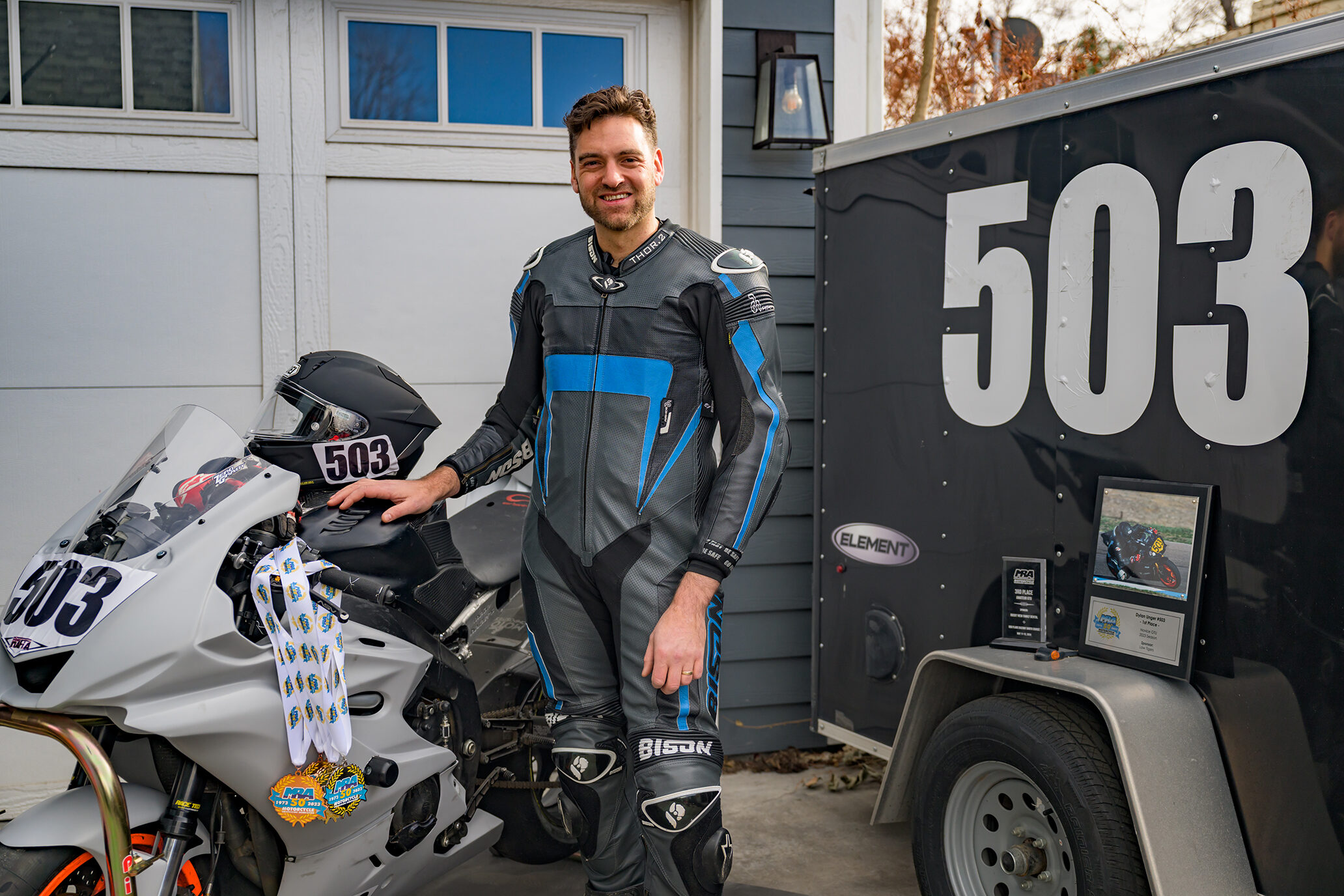
At Venyx Injury Law, I handle motorcycle and personal injury cases for riders and drivers across the Denver metro, including all of Aurora and Arapahoe County. I'm a licensed motorcycle racer, 2023 MRA Novice GTU Season Champion, Bike #503, and I understand how Aurora's roads work for riders, not just on paper.
If you were hurt in a crash in Aurora, the size of the city works against you. More drivers, more intersections, more chances for a distracted or inattentive driver to turn left in front of you without ever seeing you coming.
Aurora's road network puts motorcyclists at constant risk. These corridors and intersections appear repeatedly in crash data. If you were hurt near any of them, that history is relevant to your case.
The I-225 corridor through Aurora has been called out by Aurora city councilmembers as one of the most dangerous stretches in the metro. High speeds, complex interchange geometry, and heavy merge traffic create constant hazards. For riders, highway-speed crashes on this corridor are frequently fatal or catastrophic.
East Colfax through Aurora is one of the longest continuous commercial streets in the country, and it shows in the crash data. Shopping center cutouts, hidden side roads, and constant turning conflicts make it what motorcycle instructors call a "trap" corridor, where a rider doing everything right can still get hit by a driver they never had a chance to see.
Parker Road's intersection with I-225 is one of the most complex in the metro. Multiple turning lanes, a bridge overpass, and high-volume traffic from multiple directions. The road south through Aurora mixes retail traffic, residential driveways, and drivers accelerating well past posted limits. Left-turn crashes are common throughout this corridor.
A documented crash hotspot in Aurora's data, this intersection sits in a rapidly developing area where road infrastructure is still catching up to growth. New construction zones, shifting traffic patterns, and unfamiliar drivers navigating the area create elevated crash risk for riders.
I-70 carries significant commercial truck traffic through Aurora and is one of the most dangerous interstates in Colorado for all road users. The interchange with I-225 at the eastern edge of Denver is among the highest-volume and most complex in the state. Riders on this corridor face the added hazard of trucks with large blind spots and long stopping distances.
Aurora's southern corridors along Arapahoe Road see heavy traffic mixing retail and residential access. The wide multi-lane format encourages speeds that leave little reaction time, and left-turn conflicts at major intersections are a recurring pattern in crash reports throughout this area.
Venyx Injury Law represents injured riders and drivers throughout Aurora and Arapahoe County. Cases filed in Aurora are handled in Arapahoe County District Court.
Left-turn crashes, red-light violations, lane changes, road hazards. Aurora's complex road network is unforgiving for riders. I race motorcycles. I know how to fight the biker bias that follows every Aurora crash.
Learn moreRear-end, intersection, and highway crashes on Aurora's busiest corridors. Aurora's density means multi-vehicle crashes are common and liability is often contested.
Learn moreI-70 and I-225 carry heavy commercial traffic through Aurora. Truck crash cases involve federal regulations, multiple liable parties, and insurers with large legal teams. We know how to go up against them.
Learn moreColorado's wrongful death statute gives specific rights to surviving family members on a strict timeline. If you've lost someone in an Aurora crash, talk to an attorney as soon as possible.
Learn moreAurora's wide, fast-moving arterials are dangerous for pedestrians. These cases are often high-value and involve clear driver negligence.
Learn moreCyclists face many of the same risks as riders on Aurora's busy corridors. Invisible to drivers, blamed for crashes they didn't cause. We apply the same approach: fight the bias, prove the physics.
Learn moreNearly every injury firm charges a percentage of your recovery. The difference is what percentage they charge. We are transparent with our fees. Most firms tend to hide theirs.
Lower overhead means a lower fee, not a lower standard. The firm never makes more than the client.
*Venyx fee structure: 29% standard, 33% if a lawsuit is filed. Client is responsible for case costs. Calculator figures are estimates only; actual fees are discussed at consultation, and your final recovery is also reduced by case costs, medical liens and other legal obligations. Every case is different.
Colorado's statute of limitations for personal injury claims is generally three years from the date of the crash. If a government entity is involved, a city vehicle or a road defect on a public road, you may need to file a notice within 182 days. Missing that deadline typically bars your claim entirely. Don't wait to consult an attorney.
Aurora sits in three counties, so it depends on where the crash happened and where the at-fault driver lives. Most Aurora cases are filed in Arapahoe County District Court or Adams County District Court, and a small part of southern Aurora is in Douglas County. Aurora Municipal Court handles traffic citations and city ordinance violations only, not civil injury claims. Aurora Police Department handles crashes within city limits, while Colorado State Patrol has jurisdiction on state highways and interstates like I-225 and I-70.
Colorado follows a modified comparative negligence rule. As long as you were less than 50% at fault, you can still recover, but your compensation is reduced by your percentage of fault. Insurance companies routinely try to inflate your fault percentage to reduce their payout. We fight to keep that number as low as the facts support.
Colorado does not require helmet use for riders 18 and older. Insurance companies will try to use your helmet status to argue you assumed the risk or contributed to your injuries. The absence of a helmet doesn't determine fault for the crash. It may affect damages for specific head injuries, but it doesn't end your case. We've handled this argument many times.
If your health insurance paid your medical bills after a crash, they typically have a right to seek reimbursement from your recovery. Colorado's Make-Whole Doctrine creates a presumption that health insurers cannot collect that reimbursement until you've been fully compensated for your total losses. In cases where the available insurance limits fall short of your damages, this can significantly affect how much you actually keep. Learn more about the Make-Whole Law.
No. We handle cases throughout Aurora and the entire Denver metro. Initial consultations can be done by phone or video, and we can come to you if you're not able to travel due to your injuries. There's no fee for the consultation and no obligation.
Free consultation. Lower fee. Direct attorney access from day one, we handle the homeowner's insurer so you don't have to call your neighbor.
Estimates only. Your final recovery is reduced by case costs, medical liens, and other legal obligations. Every case is different. Fees and costs are discussed at consultation.
Get a Free Consultation


