Denver is where I live, where I went to law school, and where I practice. Its streets are getting more dangerous: in 2025, 93 people were killed on them, the highest toll since at least 2013, and 35 of them were on foot. If you were hurt in a crash here, you work directly with me, a Denver trial lawyer, from the first call to the end of your case.
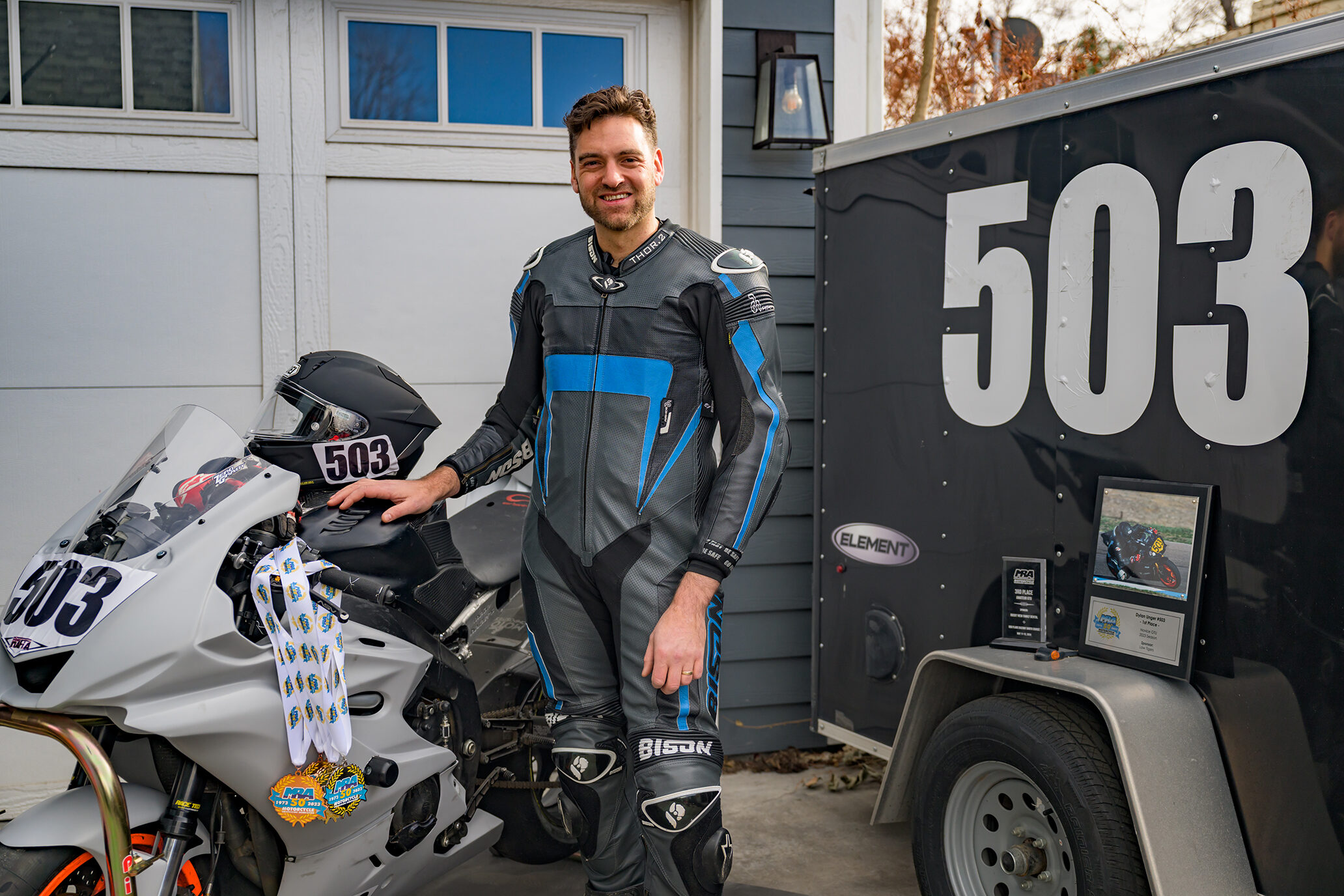
Denver is home. I'm a Colorado native, I went to law school at DU, and my office is on Park Avenue West, just northeast of downtown. I commute there on an e-bike, ride my motorcycle on the same streets, and drive them with my family. When I say Federal and Colfax are dangerous, I'm not reading it off a report.
I've handled injury cases in Denver for more than a decade. I've filed over 300 lawsuits and tried a case to a federal jury in the courthouse downtown. When you hire Venyx, you get me, working your case directly, not a case manager relaying messages.
Denver's own crash data points to the same streets year after year. About half of the city's traffic deaths happen on its High Injury Network, just 5% of its streets. If you were hurt on or near one of these corridors, that history matters to your case.
Denver's deadliest street. Advocates have measured its fatality rate at more than 20 times the average for urban streets in Colorado, and from 2012 to 2017 it saw 22% of all pedestrian crashes in the city. It's also the main route to the stadium on game days. Denver has targeted Federal with speed cameras because speed is the common thread in its fatal crashes.
Colfax is on the city's High Injury Network and is one of Denver's busiest pedestrian and transit corridors. A CDOT study named the stretch of East Colfax from Moline to Peoria the metro area's top crash hotspot for people walking and biking. Bus rapid transit construction has added lane shifts and work zones along much of the corridor.
Alameda is the other corridor Denver has singled out for permanent speed cameras, alongside Federal. The city planned a road diet to slow traffic, pulled back, and is now testing a smaller version. Wide lanes and long gaps between signals encourage speeds that leave drivers little time to react.
One of Denver's busiest north-south arterials and part of the High Injury Network, Colorado Boulevard connects I-25 and I-70 through dense retail and residential blocks. Constant turning traffic from shopping centers, driveways, and side streets creates conflicts at nearly every block.
Two of Colorado's busiest interstates meet just north of downtown, carrying heavy commercial truck traffic through short merges and drivers crossing several lanes to reach their exit. Highway-speed crashes here often involve trucks, multiple vehicles, and disputed accounts of who changed lanes.
Downtown packs bars, e-scooters, cyclists, pedestrians, and rideshare pickups into a few square miles, and game days at Empower Field, Ball Arena, and Coors Field add thousands of drivers at once. Crashes after bar close can raise the question of whether a bar kept serving a visibly drunk driver.
Venyx Injury Law represents people hurt in crashes throughout the City and County of Denver. Most Denver injury lawsuits are filed in Denver District Court at the City and County Building downtown.
From Colorado Boulevard to the Mousetrap, Denver traffic creates constant conflicts, and insurers often dispute fault in multi-vehicle crashes. I build every case as if it's going to trial, because that's what gets insurers to pay what a case is worth.
Learn morePedestrian deaths in Denver rose 35% last year. These cases usually involve serious injuries and clear driver negligence, and some involve RTD buses or city vehicles with a 182-day notice deadline.
Learn moreLeft turns, lane changes, and drivers who never looked. I race motorcycles and ride in Denver, and I know how to fight the bias insurers bring to every rider's claim.
Learn moreI commute by e-bike, so I know where Denver's bike lanes end and the danger starts. Colorado's 3-foot passing law and e-bike rules often decide who pays in these cases.
Learn moreTruck cases involve federal safety rules, company records that can disappear fast, and insurers with big legal teams. Evidence needs to be preserved early, before it's gone.
Learn moreRideshare coverage depends on whether the driver was waiting for a request, heading to a pickup, or carrying a passenger. During a ride, Colorado requires $1 million in liability coverage.
Learn moreNearly every injury firm charges a percentage of your recovery. The difference is what percentage they charge. We are transparent with our fees. Most firms tend to hide theirs.
Lower overhead means a lower fee, not a lower standard. The firm never makes more than the client.
*Venyx fee structure: 29% standard, 33% if a lawsuit is filed. Client is responsible for case costs. Calculator figures are estimates only; actual fees are discussed at consultation, and your final recovery is also reduced by case costs, medical liens and other legal obligations. Every case is different.
For most car, motorcycle, and other motor vehicle crashes, Colorado gives you three years from the date of the crash to file a lawsuit. Most other injury claims, like a slip and fall or a dog bite, have a two-year deadline. If a government entity is involved, such as an RTD bus, a city vehicle, or a dangerous road condition, you generally must give written notice within 182 days. Missing that deadline typically bars the claim. Read more about the 182-day deadline.
Denver is a combined city and county, so it has one local court system. Injury lawsuits seeking more than $25,000 are filed in Denver District Court, and claims of $25,000 or less can go to Denver County Court. Both hear civil cases at the City and County Building downtown. Cases against out-of-state companies, like a trucking carrier or an insurer, can end up in federal court at the U.S. District Court for the District of Colorado, also downtown. I'm admitted to that court and have tried a case to a jury there.
Claims against RTD, the City and County of Denver, and other public entities fall under the Colorado Governmental Immunity Act. Colorado allows injury claims when a public employee's driving of a government vehicle causes a crash, but you generally must give written notice within 182 days, and damages are capped by statute. These cases often turn on video, and buses carry cameras whose footage may not be kept long. Get a lawyer involved early so the evidence is requested before it's gone.
No. Denver police generally respond to crashes with injuries, and a police report is one of the most useful pieces of evidence in your claim. When the city declares an Accident Alert, usually during bad weather, officers may not come to crashes without injuries, and drivers exchange information and report the crash afterward. If you're hurt, call 911 so the crash is documented. Crash reports can be ordered through the Denver Police Department's records unit.
Sometimes. Colorado's dram shop law, C.R.S. § 44-3-801, allows a claim against a bar or restaurant that willfully and knowingly served alcohol to someone who was visibly intoxicated, or to someone under 21, who then caused injuries. The standard of proof is strict and damages are capped by statute, so evidence like receipts, video, and witness accounts needs to be gathered quickly.
Our office is at 1415 Park Ave W, Suite B115, Denver, CO 80205, just northeast of downtown. You're welcome to meet there, but you don't have to. Consultations can be done by phone or video, and if your injuries make travel hard, I can come to you. The consultation is free, with no obligation.
Free consultation. Lower fee. Direct attorney access from day one, we handle the homeowner's insurer so you don't have to call your neighbor.
Estimates only. Your final recovery is reduced by case costs, medical liens, and other legal obligations. Every case is different. Fees and costs are discussed at consultation.
Get a Free Consultation


