


A stranger emailed our firm claiming he needed help collecting on a six figure settlement. Two weeks later, a real check for $248,000 showed up in our mailbox. It was completely fake, and it never had a chance of touching our trust account. Here is how the scam works, and why it is worth knowing about even if you are not a lawyer.
How It Started
A man reached out by email saying he had an existing settlement agreement with a national rental equipment company that owed him $248,000 for a personal injury claim. He said the company had gone silent on payment and he needed an attorney to enforce it.
On its face, it is a common enough ask. Someone with a settlement in hand, frustrated that the check has not shown up, looking for a lawyer to light a fire. That is a real thing that happens.
Where It Fell Apart, Immediately
Before any retainer was signed and before we agreed to represent him, a few things did not add up:
- The email address he was writing from did not match the contact information in the documents he sent to support his story.
- Within days, he told us the company had agreed to send the settlement check directly to our firm, made out to Venyx Injury Law, and asked us to deposit it into our trust account, take out our fee, and forward him the rest.
- He was explicit that we should not take any further legal action, just accept the check and process it.
That last part is the tell. A legitimate settlement does not get wired through a lawyer who has no signed retainer, no case file, and no history with the matter. Asking a firm to stand down and just move money is the actual scam, not a side detail.
We never signed a retainer. We never opened a file. We sent formal written notice that no representation existed and that any check received would be rejected and turned over to the police, not deposited.
The Check Showed Up Anyway
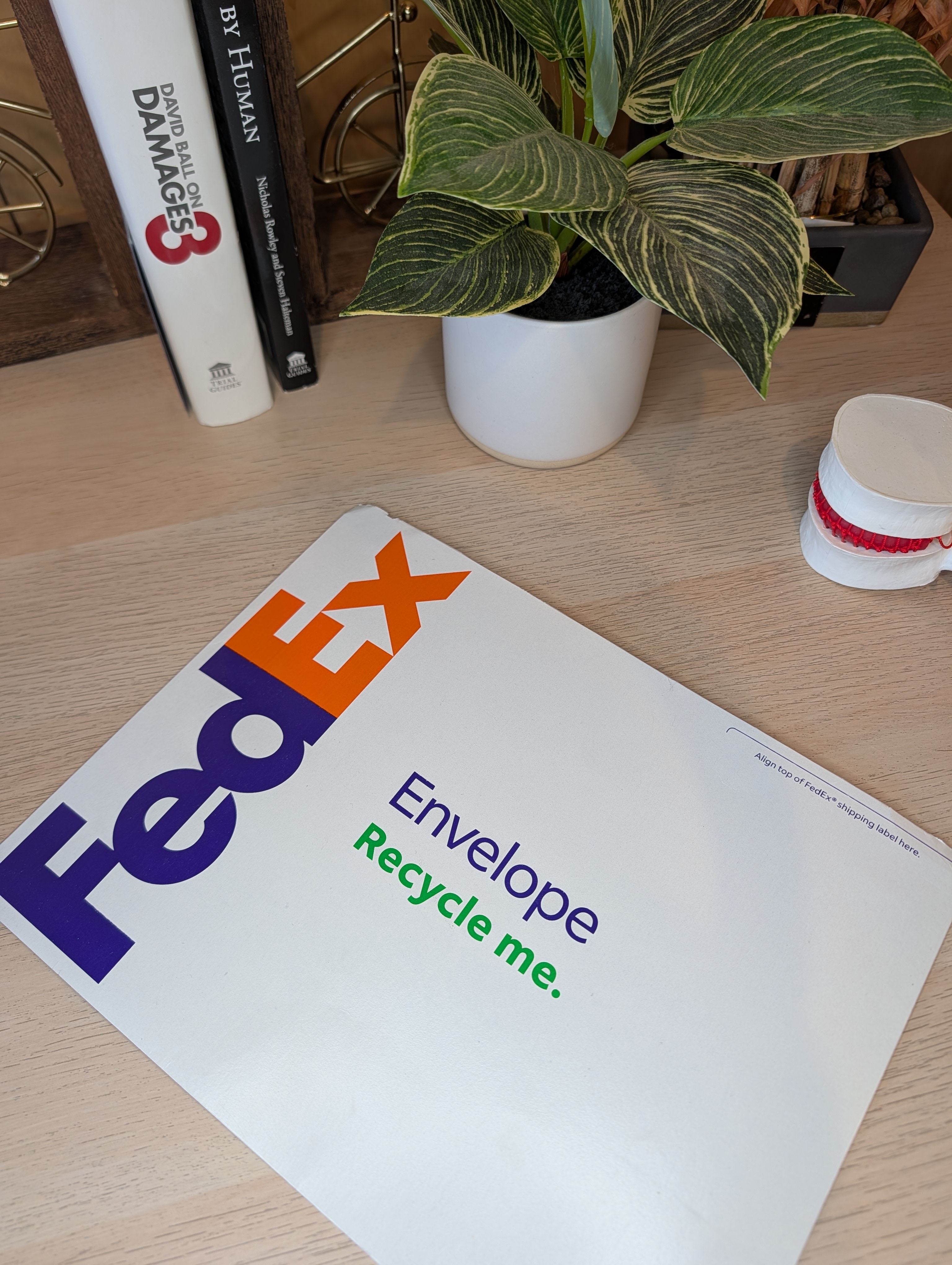
A physical check for $248,000 arrived at our office a few days later. It looked legitimate at a glance, the kind of instrument a rushed employee could easily deposit without a second thought.
We did not endorse it, negotiate it, or come anywhere near depositing it. It went straight into an evidence file along with the mailing envelope and the full email trail, and it has been turned over to the police.
This Is a Known Scam, and It Targets Law Firms Specifically
This is a variation of the classic overpayment or fake cashier's check scam, adapted for law firms because trust accounts move large sums as a matter of routine. The pattern is consistent:
- A new, unsolicited contact with an urgent reason to move money fast.
- A settlement or debt that conveniently routes through your firm's trust account instead of the actual parties.
- Pressure to skip the normal steps, no signed engagement, no verification, just process the check.
- A real check or wire that is fraudulent, but sophisticated enough to clear initial inspection.
Firms that do not have strict trust accounting discipline are the ones that get burned, sometimes disbursing settlement funds against a check that later bounces, leaving the firm on the hook for money that was never real.
The Same Scam Targets Regular People Too
The law firm version is really just a professional grade take on a scam that hits everyday people constantly, especially anyone selling something online, renting out a property, or expecting money from an insurance claim or legal settlement of their own. The mechanics are almost identical:
- You are contacted by someone with a reason to send you a check that is larger than what is actually owed, a car buyer, a rental applicant, a settlement that is supposedly already been approved.
- They ask you to deposit it and wire or send back the difference, often to a third party, before the check has actually cleared.
- The check looks real and may even clear temporarily, but it is discovered to be fraudulent days or weeks later, at which point the bank reverses it and you are personally on the hook for whatever you already sent out.
- There is almost always urgency, a deadline, a mover waiting on funds, a deal that will fall through if you do not act fast.
The rule that protects you is simple and does not change no matter how the story is dressed up: never send money, wire funds, or forward any portion of a check before it has fully and finally cleared, which your bank can take one to two weeks to confirm even if the funds initially show as available. If anyone, including someone claiming to represent a settlement, an insurance company, or a legal matter, asks you to move money quickly and skip that step, that is the scam.
Why We're Telling You This
Not because it was a close call. It was not. It is because it is a reminder of something that should be obvious but often is not, a law firm's job is to protect your money, not just negotiate on your behalf. That means real scrutiny before a case is opened, before a dollar moves, and before anyone signs anything.
If you are evaluating a personal injury lawyer, that same instinct applies. Ask how they handle client funds. Ask who actually reviews your file. A firm that treats trust accounting like a formality is a firm that is not paying close enough attention to the rest of your case either.
Have questions about a personal injury claim, or want to talk to the attorney directly instead of a call center?
Call 877-2929-LAWFAQ
Is this a common scam?
Yes. Fake settlement check and overpayment scams targeting law firms are well documented and have been flagged by state bar associations across the country. Law firms are targeted because trust accounts routinely move large sums, which gives a fraudulent check cover.
How do these scams usually work?
A scammer poses as a new client or a party to a settlement and asks the firm to receive, deposit, and disburse funds on their behalf, usually with pressure to move quickly and skip normal verification steps.
What should a law firm do if this happens to them?
Do not sign a retainer or open a file based on the story alone. Do not deposit or negotiate any check tied to the request. Preserve all evidence, including the physical check, envelope, and email records, and report it to the police.
What should I do if I receive a suspicious overpayment check?
Do not deposit it, and do not send any money back in response to it, even if your bank shows the funds as available. Verify directly with the person or company who supposedly sent it, using contact information you look up yourself rather than anything provided in the message. If it turns out to be fraudulent, report it to your bank and the police before it causes you any financial exposure.
Did Venyx lose any money?
No. The check was never endorsed, negotiated, or deposited. There was no financial exposure to the firm or any client.

Dylan is the founder of Venyx Injury Law. A former lead trial attorney at a major firm and a competitive motorcycle racer, he founded VENYX to bring race-team efficiency and fair 29% fees to the legal industry.
More about Dylan →

