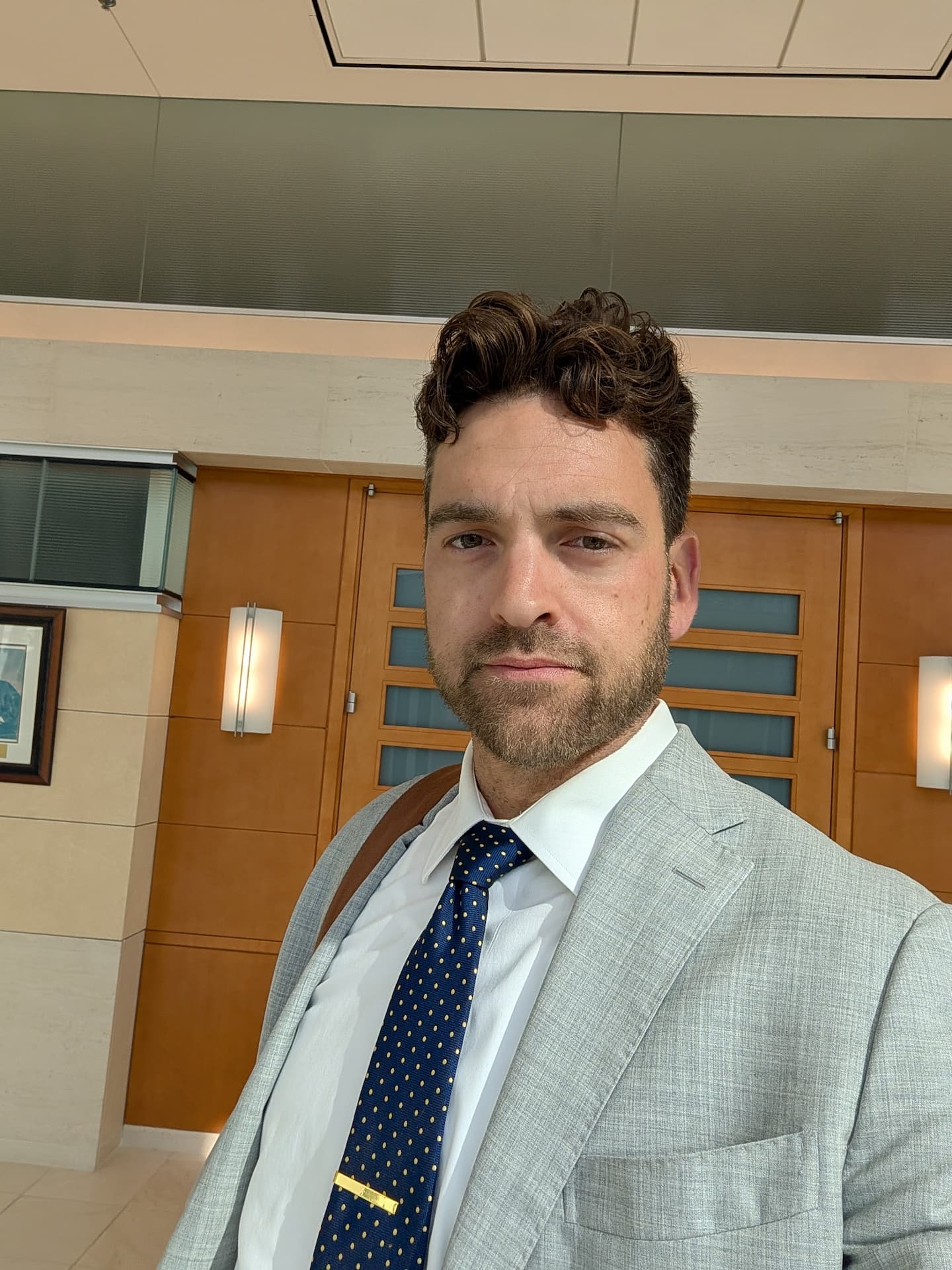
Every morning I strap my daughter into the seat on the back of my e-bike and ride her to school. I see the drop-off chaos up close, the double-parked cars, the phones out, the parents running late and rolling through stop signs they'd never roll through on a normal street. Mornings are bad. But the data says afternoons are worse.
Most school safety campaigns focus on morning drop-off, and that makes sense, since it's the chaos everyone sees. But national crash data tells a different story. Among school-age pedestrians, more fatalities happen between 3:00 and 4:00 p.m. than during any other hour of the day, the exact window when kids are streaming out of school buildings and drivers are least prepared for it. Weekday crashes, the kind that line up with a school schedule, account for the large majority of child pedestrian deaths.
Statewide, the trend is moving the wrong direction. Colorado recorded 127 pedestrian deaths in 2025, roughly double the number from just ten years earlier, and pedestrians now make up nearly a fifth of all traffic fatalities in the state. None of that is specific to school zones, but it's the backdrop every parent should know about before assuming a marked crosswalk and a flashing sign make a school zone safe.
Colorado doesn't leave school zone safety to good intentions. Under C.R.S. § 42-4-615, a driver who commits a moving violation inside a designated school zone faces doubled fines and surcharges compared to the same violation elsewhere. Speeding, running a stop sign, failing to yield to a pedestrian, all of it gets treated more seriously once you're inside those boundaries.
That statute matters for more than just the ticket. In a civil injury case, a driver who violates a school zone traffic law can be found negligent per se, meaning the violation itself is evidence the driver failed to meet the standard of care the law demands. It doesn't win the case by itself, but it's a real advantage when we're building one.
This is where school zone accidents get more complicated than a typical car crash, because the driver isn't always a private citizen.
Most school zone accidents involve an ordinary driver, a parent in the pickup line, a commuter cutting through a neighborhood, someone late for work. These claims work like any other car accident case: we prove negligence, and their insurance pays.
When the at-fault vehicle belongs to a public school district, the case shifts into government claim territory. Colorado's Governmental Immunity Act limits when and how you can sue a public entity, and it comes with a notice deadline that is far shorter than people expect. I've written separately about that 182-day window and how easily it gets missed, and it applies just as much to a school bus accident as it does to a pothole on a county road.
Depending on whether the guard is a city or district employee, a volunteer, or contracted through a private company, liability can land in different places entirely. This is exactly the kind of case where the clock on a claim can start ticking faster than most parents realize, and where getting a lawyer involved early actually changes the outcome.
My fee is 29% pre-litigation and 33% if we sue, compared to the 33-35% and 40-45% most Colorado firms charge. That difference matters even more in a case involving a child, where every dollar of the recovery should go toward their care and their future, not toward overhead.
Does a school zone sign have to be posted for the doubled penalty to apply?
Yes. Colorado law requires that the area be officially designated as a school zone with appropriate signage before the doubled fines and surcharges apply.
Can I sue a public school district if my child is hit by a school bus?
Sometimes, but the process is different than suing a private driver. Colorado's Governmental Immunity Act requires a formal notice of claim within 182 days of the incident, and missing that window can end the case before it starts.
What if the driver claims they didn't see the school zone signs?
Not seeing a sign is not a legal defense to a school zone violation. If the zone was properly posted, the doubled penalty and any related negligence claim still apply.
Is a crossing guard ever personally liable?
It depends on their employment status and what actually happened. Some crossing guards are city or district employees covered by governmental immunity rules, others are contracted through private companies with their own insurance. This is worth having reviewed rather than assumed.
What if my child was partly at fault, like darting into the street?
Colorado follows a modified comparative fault rule, so a child's actions can reduce a recovery but usually won't eliminate it entirely unless they were more than 50% at fault. Courts and insurers also generally hold young children to a lower standard of care than adults.
Here to provide you clear answers about your case.